Roof Ventilation in Wylie, TX
Look at attic intake and exhaust as one air path. Get help with ventilation concerns during roof repair or replacement planning.
Roof ventilation for Wylie homes
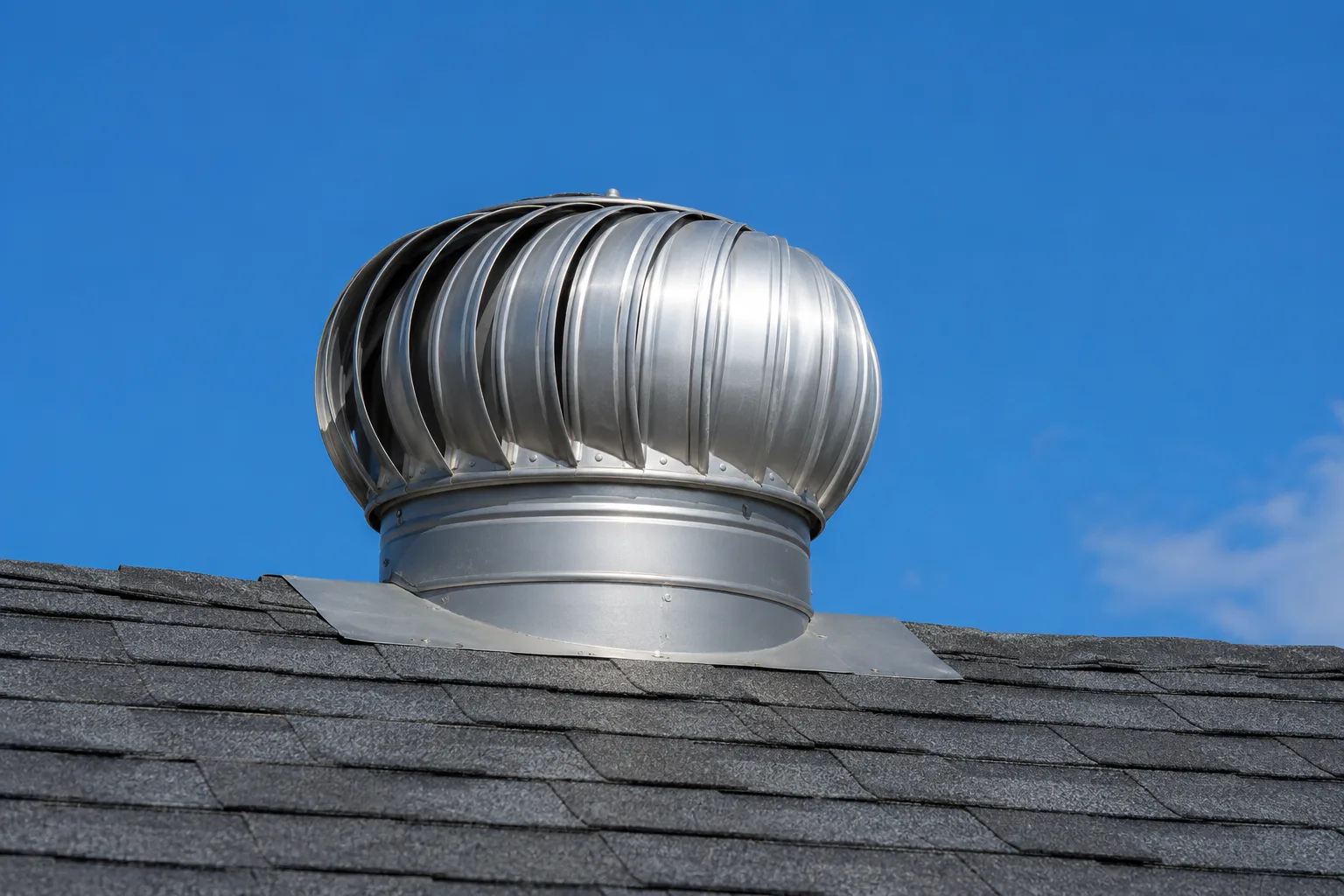
Roof ventilation depends on air being able to enter and leave through a suitable path. Low intake and high exhaust have to work together. More exhaust openings do not solve blocked intake by themselves.
The roof’s shape, existing vents and attic conditions matter. A ventilation change needs to suit the assembly instead of adding another vent because the attic feels hot. Roof work is also a useful time to look at damaged or poorly connected vent details.
Tell us about the concern or the replacement you are planning. You do not need to crawl through the attic or calculate vent areas before asking for help.
Look at intake and exhaust together
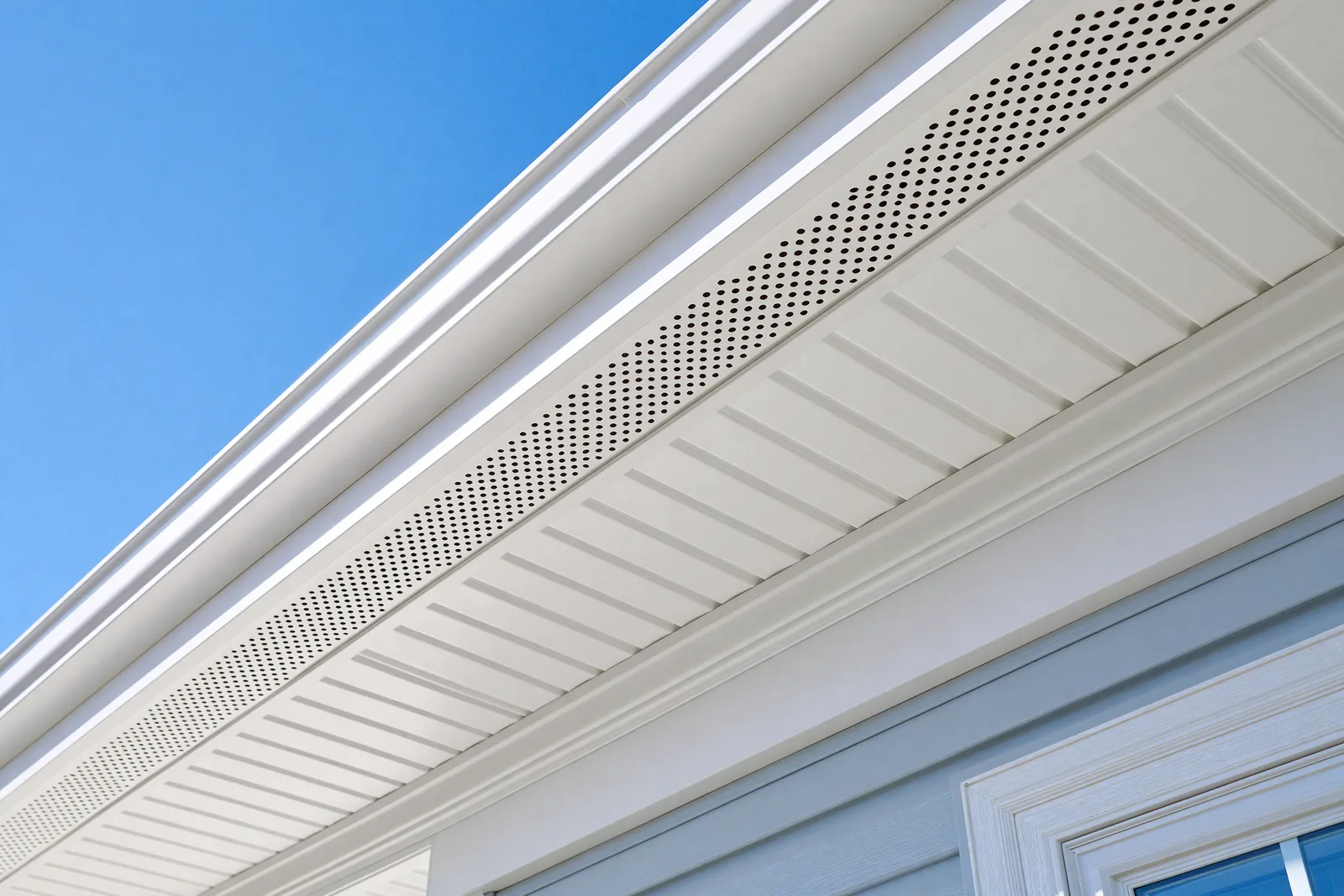
The whole route matters, from where air enters to where it leaves.
Intake access
Blocked soffit vents or insulation obstructing the intended path can limit airflow. Exhaust changes cannot compensate for a missing intake route.
Exhaust layout
The roof design and selected exhaust approach need to work together. Combining unrelated exhaust types can alter the intended air path.
Roof penetrations and connections
A vent still creates a roof detail that must shed water. Its flashing and connection to the covering need attention alongside airflow.
Separate attic moisture from a roof leak
Moisture in an attic does not always mean rain came through the roof. Indoor air leakage, duct or mechanical issues and roof leaks can produce different moisture problems. Ventilation work cannot repair a hole in the covering or a leaking pipe.
The useful scope follows the cause. A roof entry point needs a roofing repair; mechanical faults may need another trade. If the concern involves dampness, describe what you have noticed and when it happens. That is enough to start the conversation.
Rain entering through the roof
An opening at the covering or a roof connection needs a compatible roofing repair. More attic airflow does not close that opening.
Moisture from inside the building
Air leakage, ducts or mechanical equipment may need attention from the appropriate trade. Ventilation is part of attic performance, not a substitute for correcting those sources.
Correct ventilation during repair or replacement
The roof project can be an opportunity to make the existing air path work more coherently.
Repair an existing detail
A damaged vent or local flashing problem may need a focused repair, with the surrounding roof assessed for a compatible connection.
Plan ventilation with a replacement
A reroof allows intake, exhaust and the selected covering to be considered together. The proposed system and house conditions govern the details; no temperature or energy-saving outcome is guaranteed.
Roof ventilation FAQs
Will more roof vents always make the attic cooler?
No. Intake, exhaust, roof geometry and attic conditions affect the result. Adding openings without a coherent air path can miss the cause of the concern.
Can ventilation stop a roof leak?
It does not repair failed roofing or flashing. A vent’s own water-shedding detail may need repair, but airflow and water entry are separate issues.
Should ventilation be considered when replacing shingles?
Yes. The replacement scope is a useful place to consider the existing intake and exhaust and the requirements of the proposed roof system.