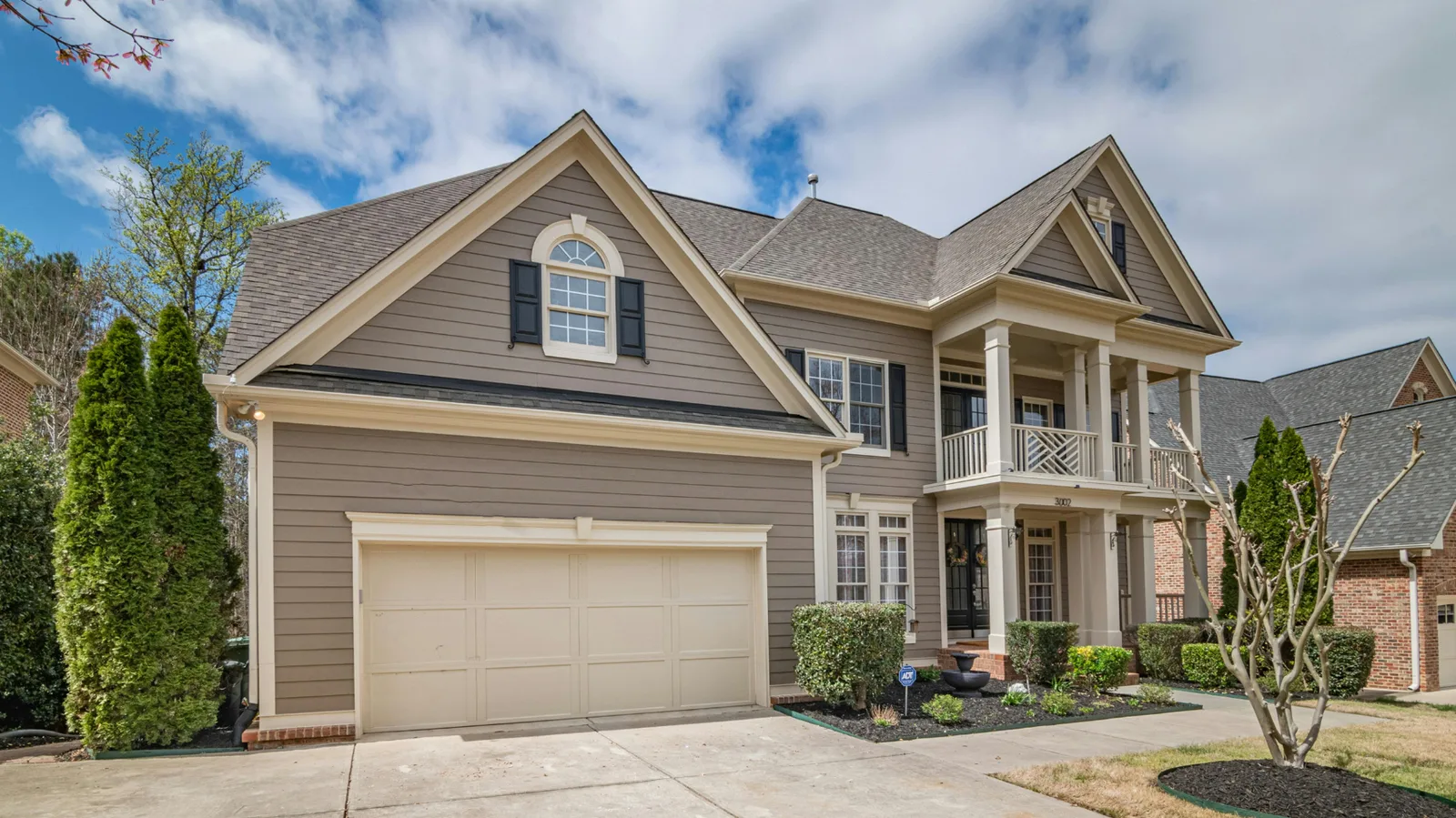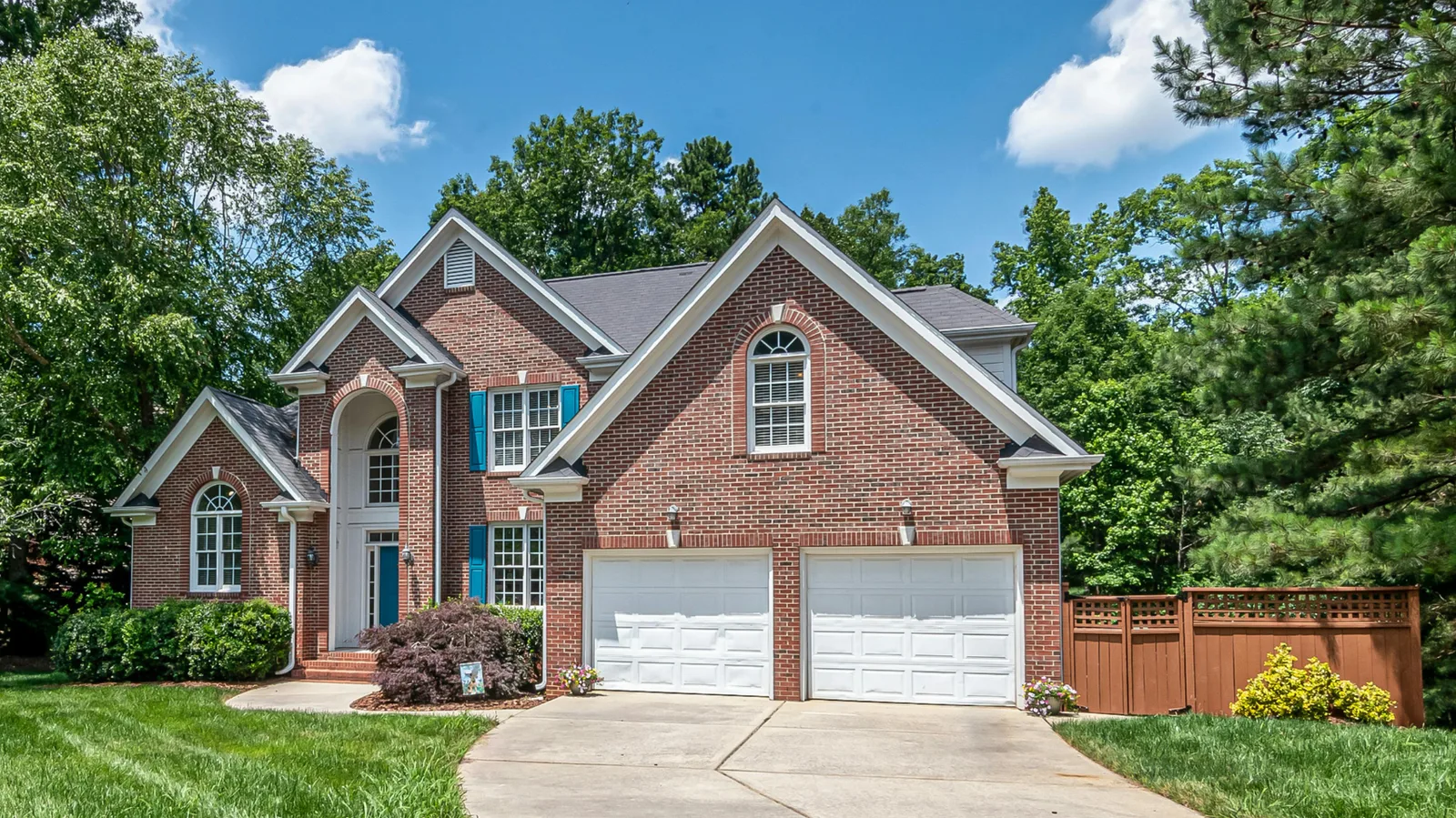
Roofing Services in Wylie, TX
Find the roofing work that fits your home or commercial property. Each service begins with understanding the roof and the problem you want resolved.
Roofing services for your Wylie home
Start with the work you already know you need. An inspection is a useful first step when the right service is not yet clear.
Roof Replacement
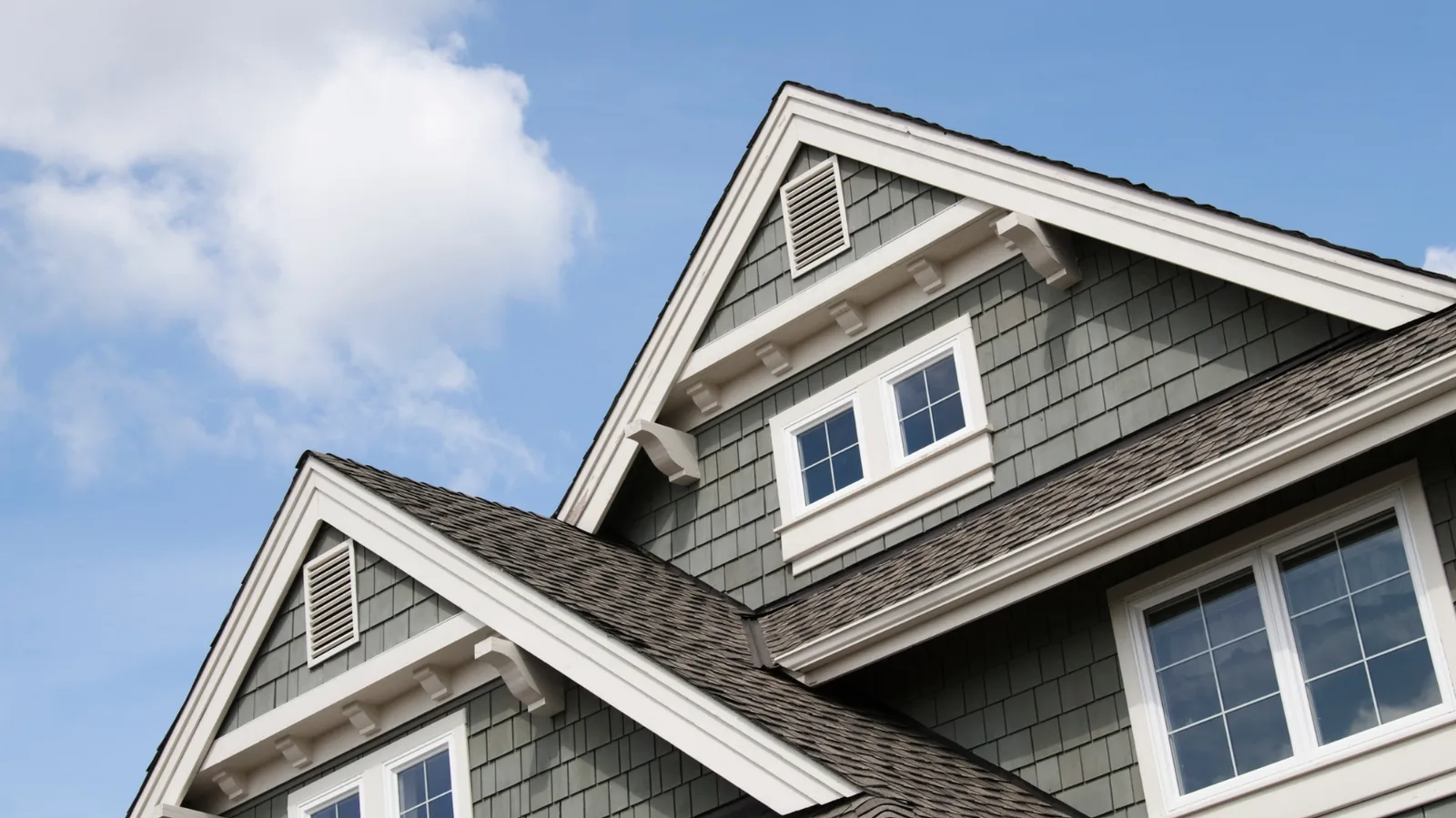
Rebuild the covering and the details beneath it when the existing roof needs a broader answer.
Roof Repair
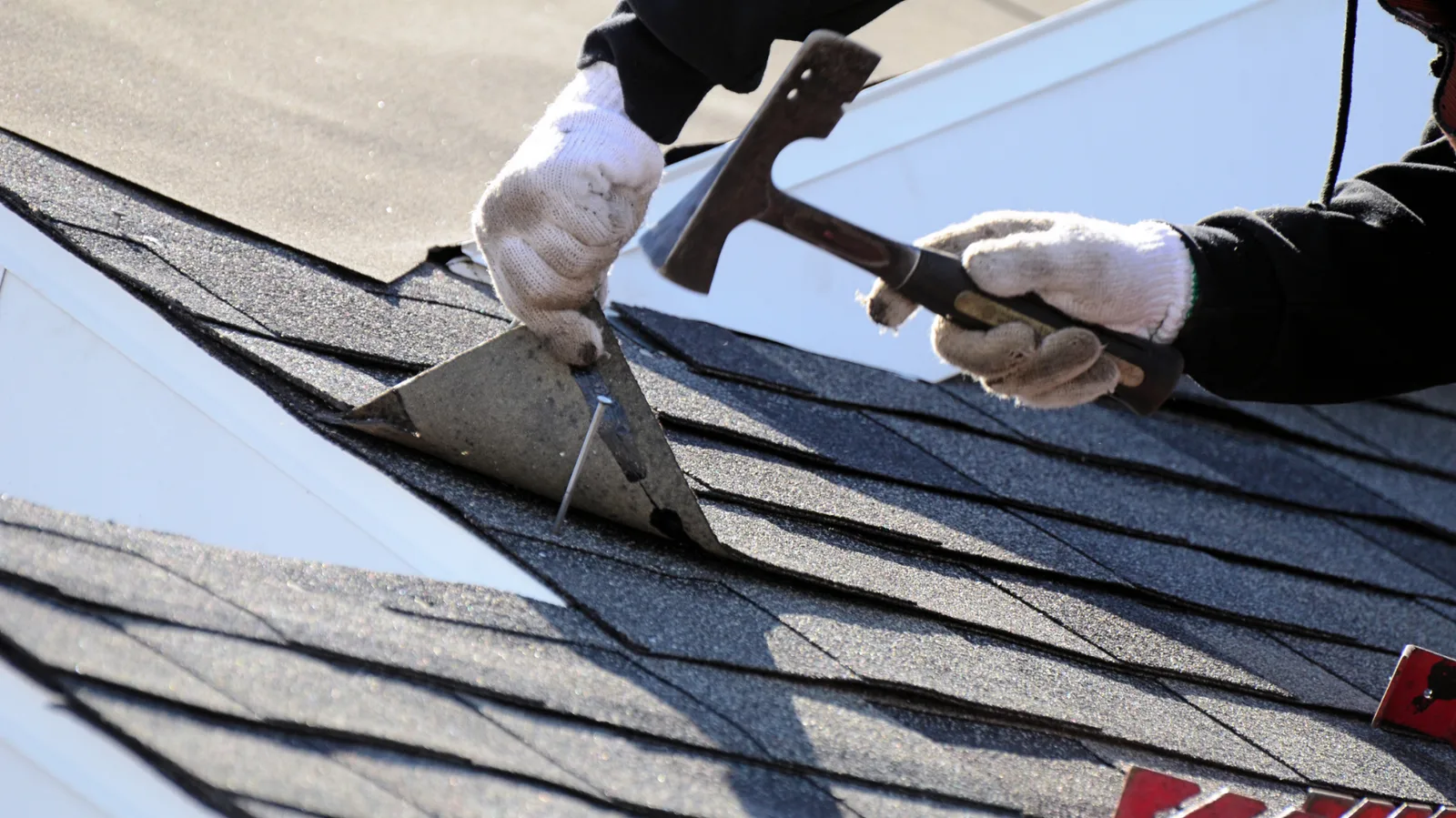
Find the leak or damaged detail and connect the repair to sound roofing around it.
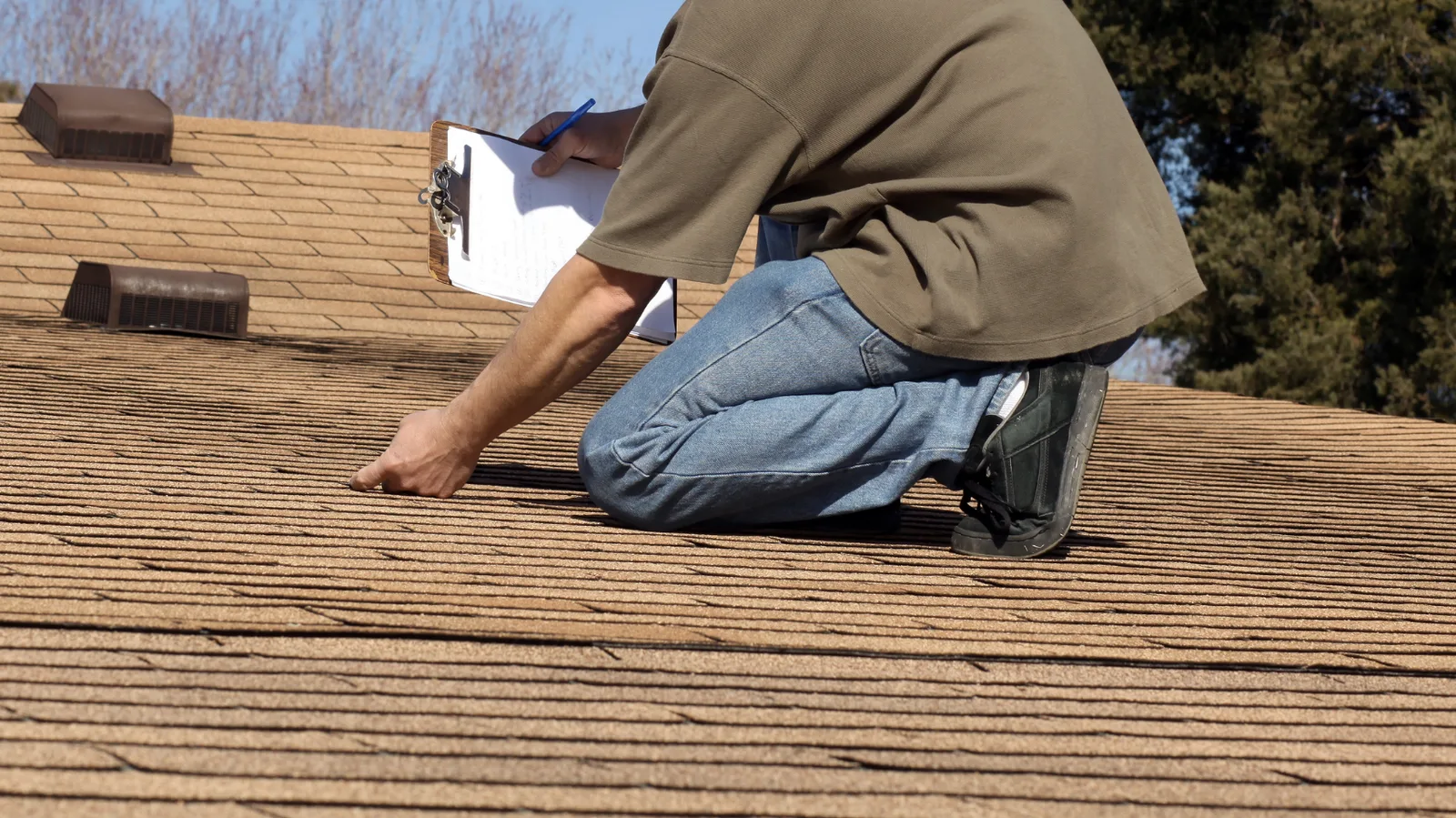
Roof Inspections
Understand the roof’s condition before deciding whether any work is needed.
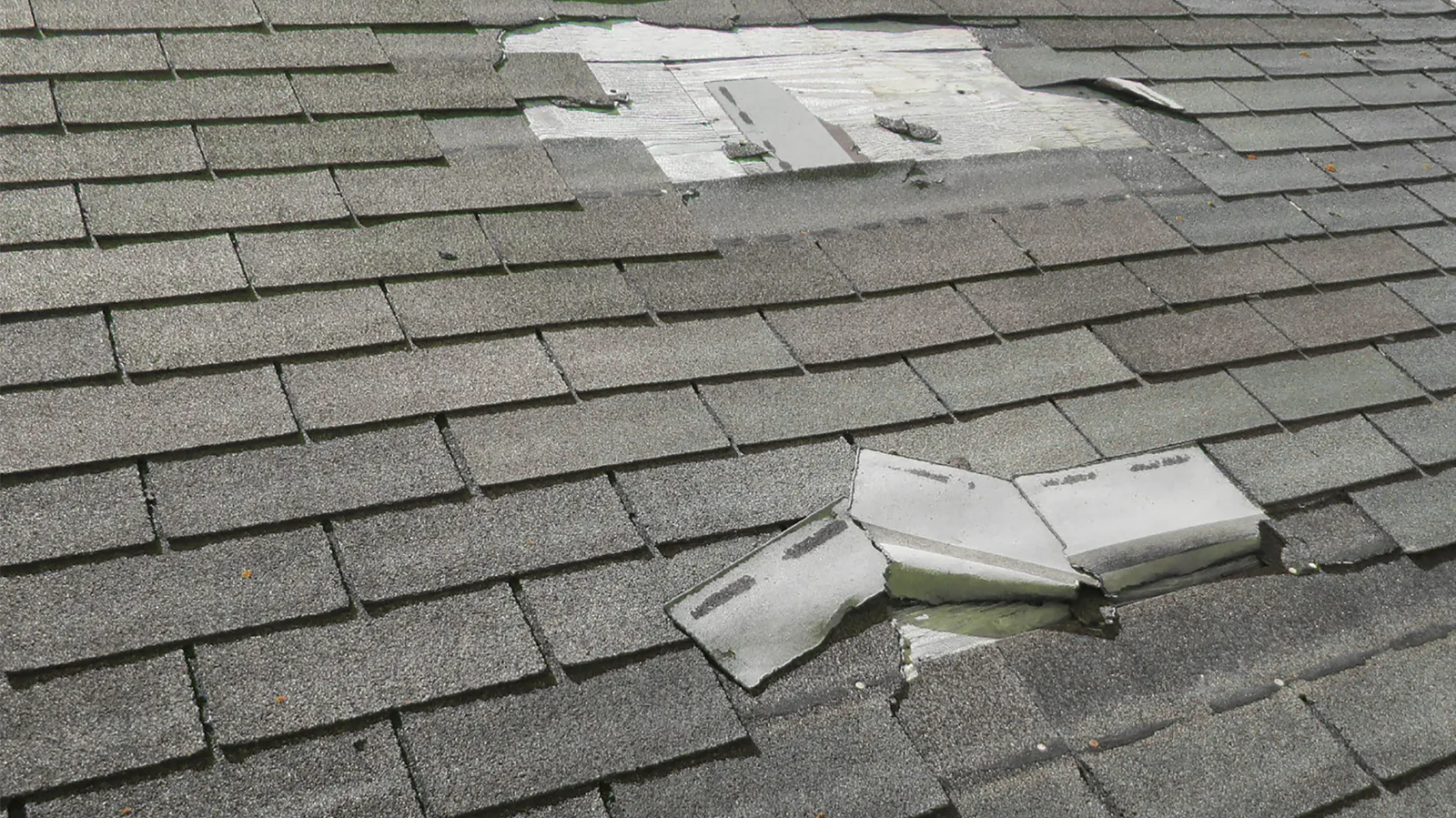
Storm Damage
Have hail and wind concerns assessed, then separate the roofing work from the coverage decision.
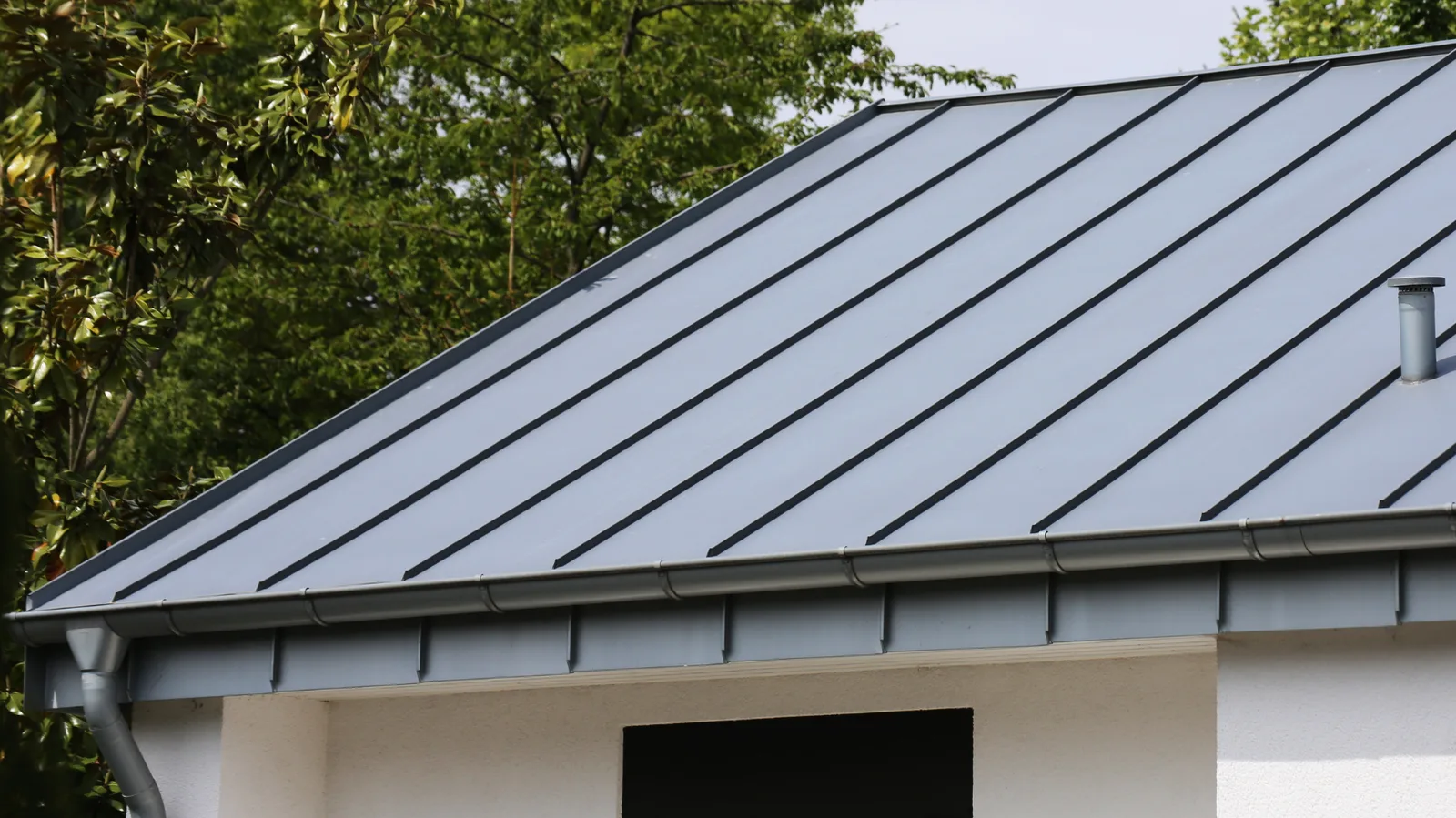
Metal Roofing
Compare panel systems, attachment and the details that make metal work with the house.
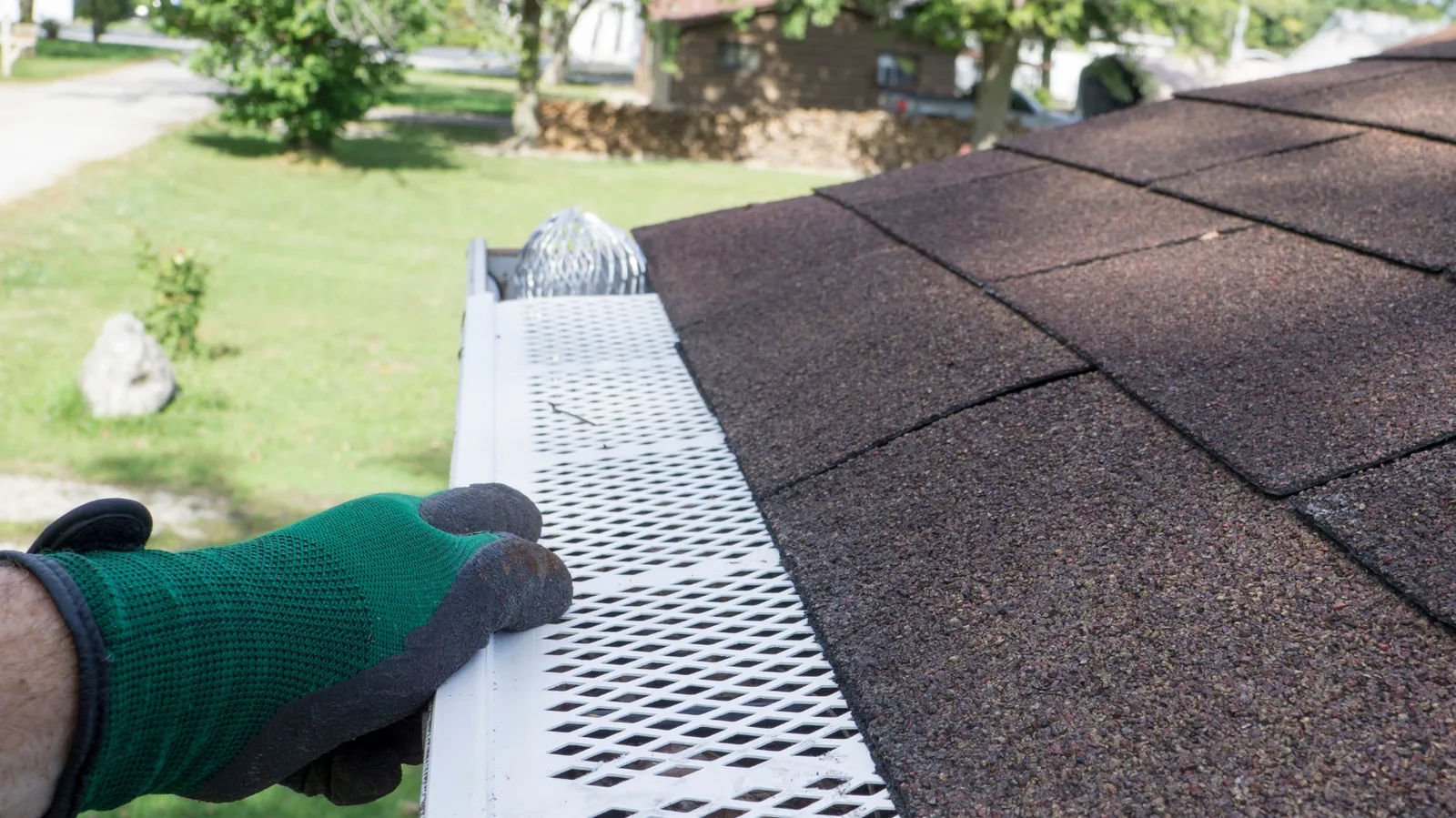
Gutters
Address overflowing or damaged runs and give roof water a suitable path to discharge.
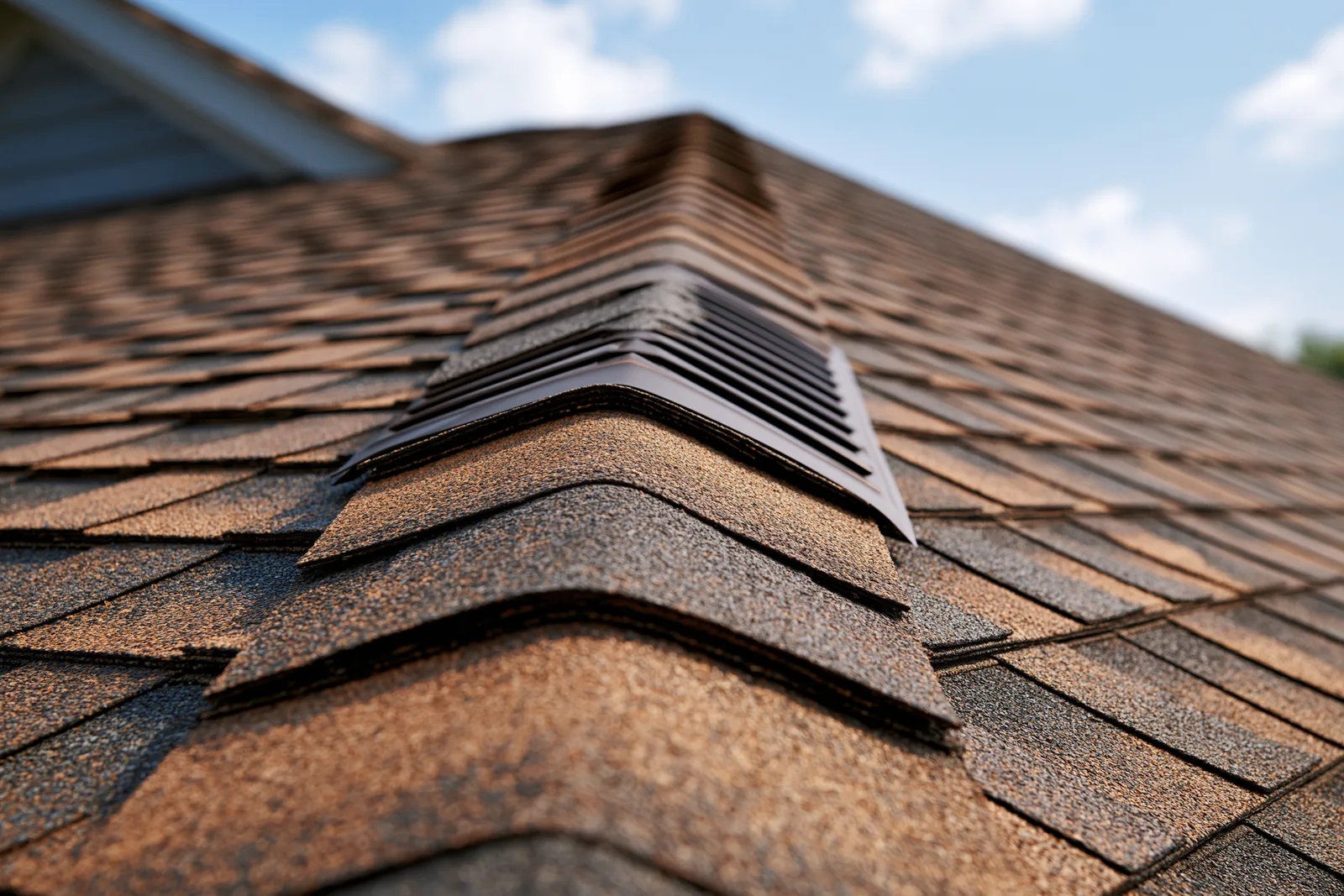
Roof Ventilation
Look at intake and exhaust together so the roof and attic have a working air path.
Commercial roof help
Low-slope roofing needs its own approach to seams, insulation, drainage and rooftop equipment.
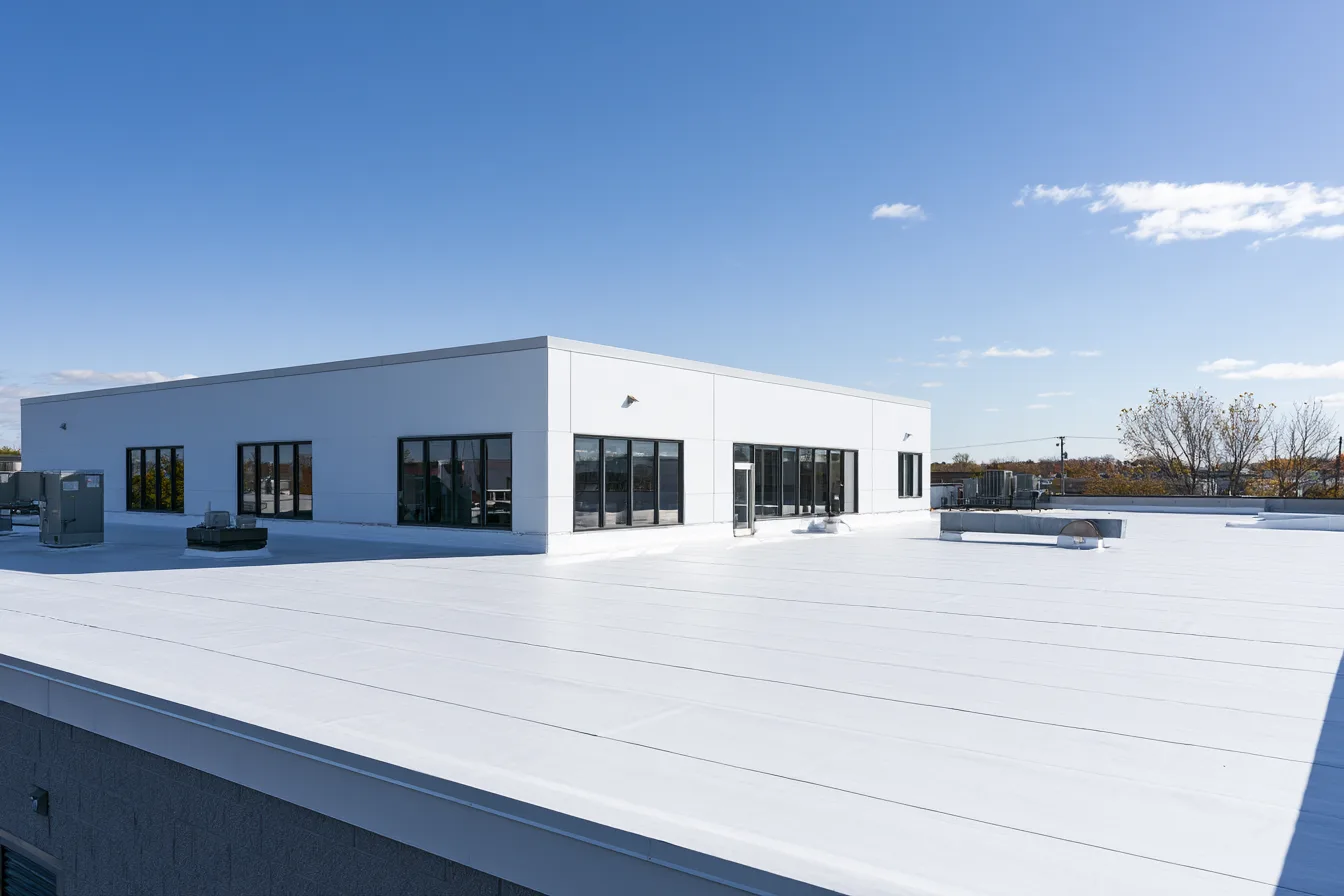
Commercial Roofing
Compare repair, restoration and replacement around your building’s needs.

TPO Roofing
Welded membrane roofing with insulation, attachment and details planned as one assembly.
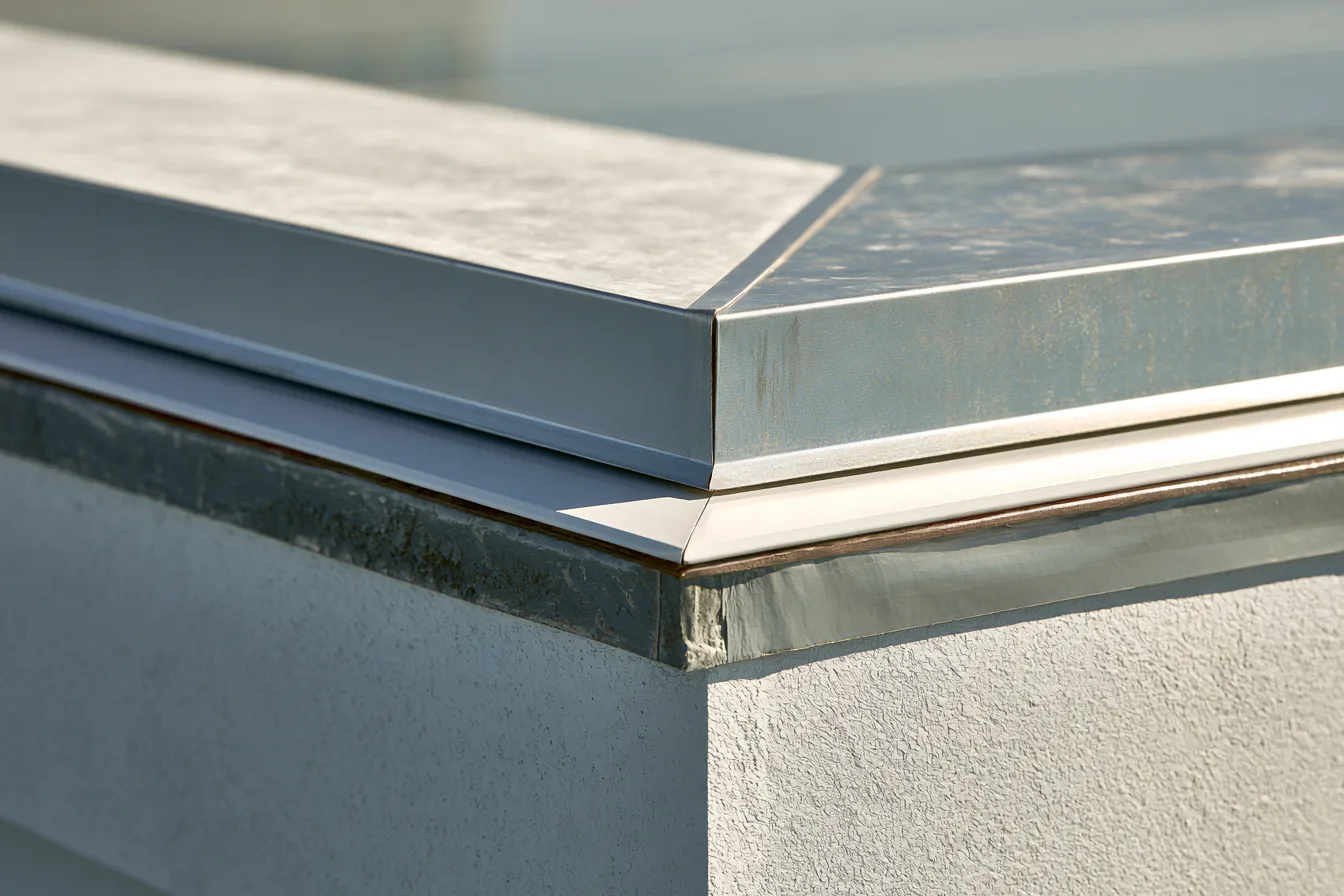
Flat Roof Repair
Trace water entry at seams, drains and equipment, including the condition of the layers below.
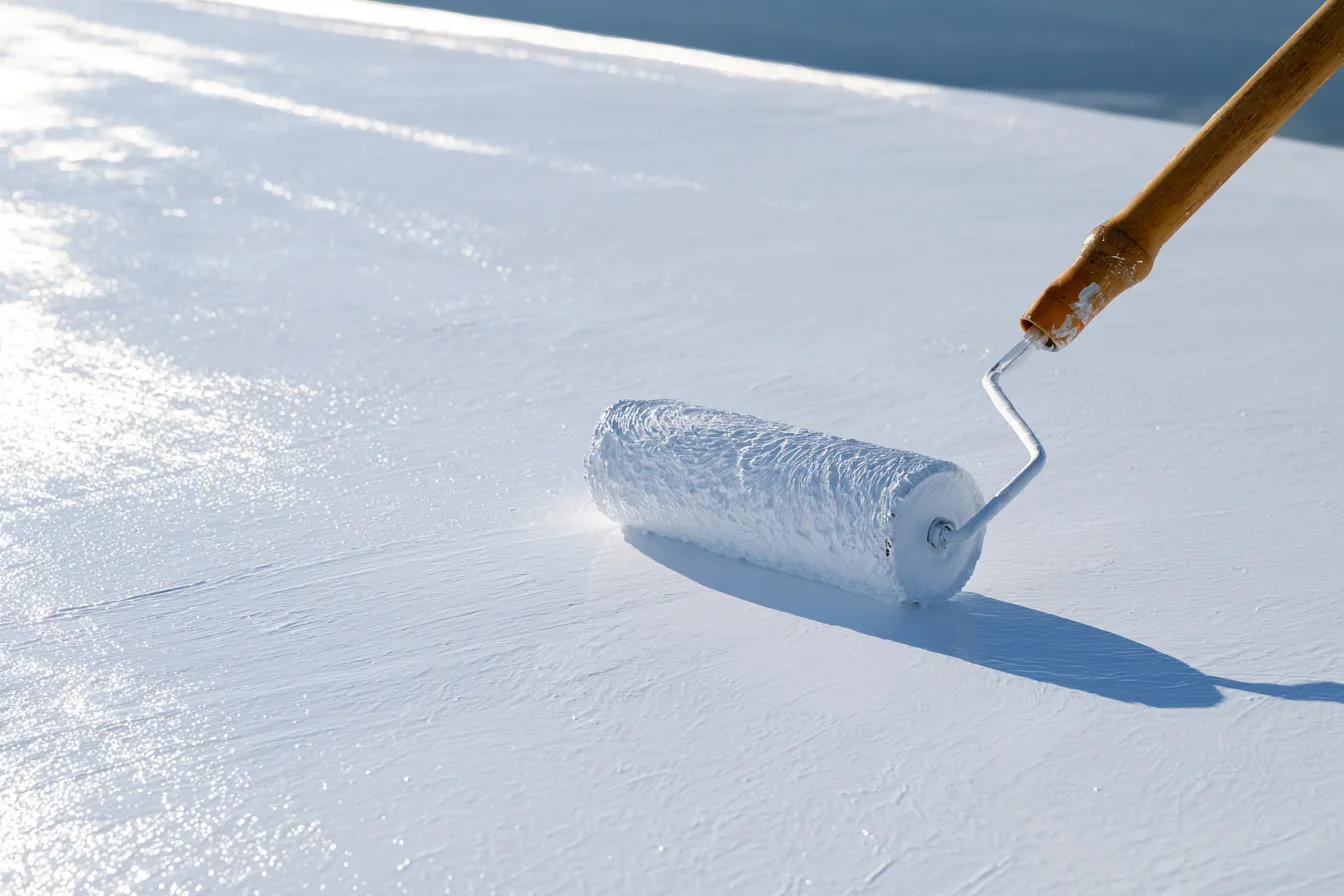
Roof Coatings
Restore an eligible roof after moisture, adhesion, preparation and drainage are addressed.
Roof repair or replacement: what changes the choice?
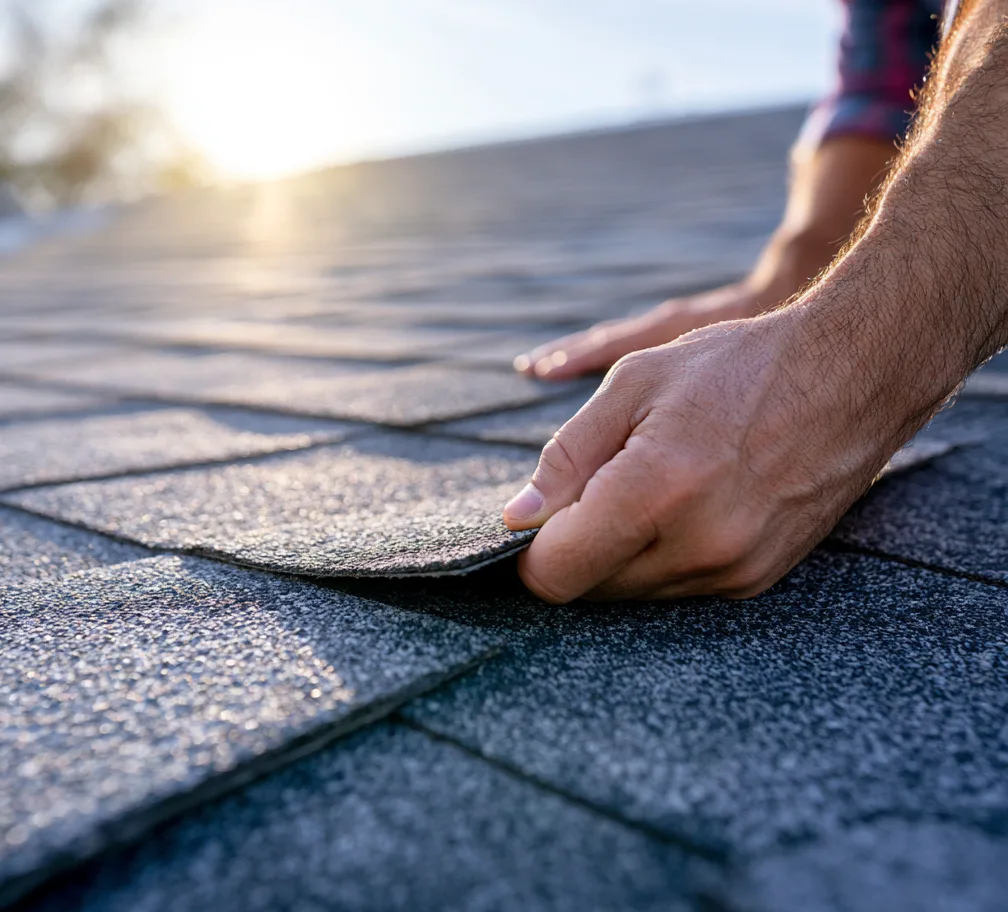
Wind can leave a defined patch of missing shingles on a roof whose remaining covering is serviceable. That calls for a different assessment from shingles that are cracking and deteriorating across several slopes. The visible size of a bare patch is only the starting point; the repair also needs sound material to connect to around and beneath it.
The repair decision depends on what can be left in place. Adjoining shingles must be workable, replacement materials must be compatible, and the repair must connect correctly to the deck, underlayment and flashing. If those connections cannot be made without disturbing more failing material, the scope grows. That is the point to explain the larger options.
Replacement brings its own choices. Architectural shingles, impact-rated options and metal roofing differ in construction, appearance and price. The whole assembly and the house’s requirements belong in that conversation alongside the visible material.
Look beyond the main roof covering
Different parts of a roof have different jobs. Fixing the right connection matters more than treating every symptom the same way.
Flashing keeps joints working
Metal and membrane details guide water past walls, chimneys and roof penetrations. New shingles do not repair failed flashing by themselves.
Edges connect the roof to drainage
Starter, drip-edge and gutter details have to direct water off the roof without sending it behind the gutter or into damaged wood.
Ventilation needs intake and exhaust
An attic air path is a separate part of roof performance. Adding vents does not seal a leak, and adding exhaust cannot compensate for blocked intake.
Where roof work meets another trade
Water indoors can involve roofing, plumbing, an air-conditioning drain or damaged masonry. Roofing work addresses the roof’s water-shedding surface and its connections. A mechanical problem needs a mechanical repair; repainting a stain comes after the source is stopped.
You do not have to identify the trade before asking for help. Describe when the water appears and anything that changed recently. The cause and the proposed work need to line up before a roof repair is treated as the answer.
Choose the work with the roof in view
Start with a concern, then make the work decision with the roof in view.
Describe the need
Tell us whether you have a leak, storm concern, material change or planned project, and where the property is.
Look at the roof
The free inspection establishes the visible condition and the details involved in the work.
Set a useful scope
Discuss what can stay, what needs work and which choices affect the project. A sound roof does not need replacement just because you asked for an inspection.
Roofing services FAQs
Is commercial roofing separate from residential roof repair?
The goal of keeping water out is shared, but the materials and assemblies differ. A low-slope membrane, its insulation and its drains need compatible repair methods. Use the commercial service pages for those decisions.
Can roof and gutter work be planned together?
Yes. The roof edge and gutter connection affect where runoff goes. The scope still needs to identify gutter work, any damaged fascia and the roof detail being addressed.
Do I have to choose a material before an inspection?
No. You can arrive with a preference or ask about the options. The roof’s shape, condition, assembly and any exterior approval requirements help narrow the choice.